How Does a Pole Mounted Transformer Improve Power Distribution Efficiency?
Pole Mounted Transformer plays a critical role in modern electrical distribution systems by safely reducing medium voltage electricity into usable low voltage power for residential, commercial, and industrial applications. This article explains how pole mounted transformers work, why they are widely adopted, what problems they solve, how to select the right transformer, and how reliable manufacturers help customers achieve safer and more efficient power management.

Table of Contents
- 1. What Is a Pole Mounted Transformer?
- 2. How Does a Pole Mounted Transformer Work?
- 3. Why Is a Pole Mounted Transformer Important?
- 4. What Advantages Make Pole Mounted Transformers Popular?
- 5. How to Choose the Right Pole Mounted Transformer?
- 6. Where Are Pole Mounted Transformers Used?
- 7. How Can Users Improve Transformer Reliability?
- 8. Pole Mounted Transformer vs Other Distribution Transformers
- 9. Frequently Asked Questions
- 10. Contact Yueqing Sarah Electric Co., Ltd.
1. What Is a Pole Mounted Transformer?
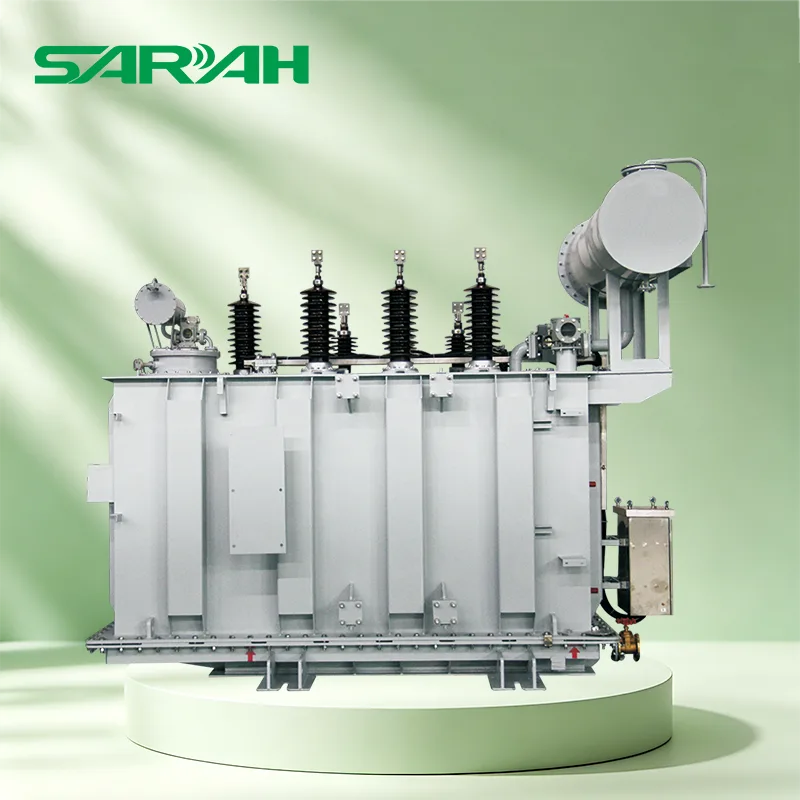
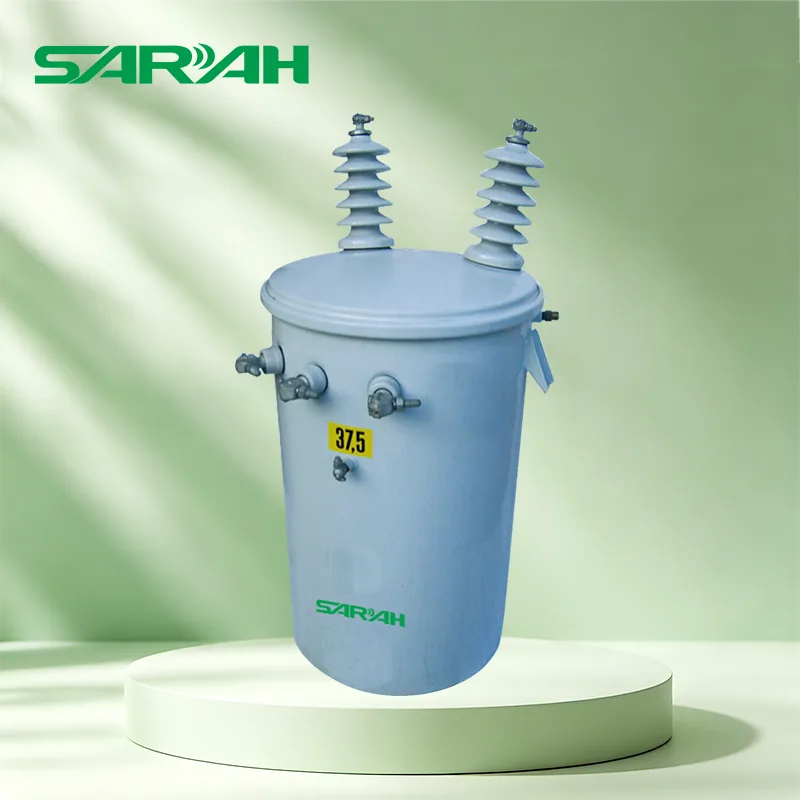
A Pole Mounted Transformer is an electrical transformer installed on utility poles to provide voltage conversion within overhead power distribution networks. It is designed to transform high-voltage electricity from distribution lines into lower voltage power suitable for homes, businesses, farms, and small industrial facilities.
As electricity travels from power generation plants to end users, the original voltage level is usually too high for direct consumption. A pole mounted transformer reduces this voltage efficiently while maintaining electrical safety and system stability.
Unlike large ground-mounted transformer systems, pole mounted transformers require less installation space and can be placed directly on existing utility structures. This makes them an economical solution for areas where underground distribution systems are difficult or expensive to build.
Main functions of a Pole Mounted Transformer include:
- Reducing medium voltage electricity to consumer voltage levels
- Providing stable power supply for end users
- Improving distribution network efficiency
- Supporting reliable electricity access in remote areas
- Protecting electrical equipment from unsuitable voltage levels
2. How Does a Pole Mounted Transformer Work?
The working principle of a pole mounted transformer is based on electromagnetic induction. Inside the transformer, two main windings — the primary winding and secondary winding — transfer electrical energy through a magnetic field.
When high-voltage electricity enters the primary winding, it creates a changing magnetic field inside the transformer core. This magnetic field induces a lower voltage output through the secondary winding, allowing electricity to be safely delivered to customers.
| Component | Function |
|---|---|
| Transformer Core | Provides a magnetic path to improve energy transfer efficiency. |
| Primary Winding | Receives high-voltage electrical input from distribution lines. |
| Secondary Winding | Outputs reduced voltage electricity for end users. |
| Insulating Oil | Provides electrical insulation and helps control operating temperature. |
| Protective Components | Helps prevent damage caused by overloads and electrical faults. |
The transformer must be carefully designed to handle different environmental conditions, including temperature changes, humidity, wind, dust, and outdoor exposure. High-quality manufacturing ensures stable operation throughout years of service.
3. Why Is a Pole Mounted Transformer Important?
Electricity distribution requires efficient voltage management. Without proper voltage conversion, electrical equipment may experience overheating, malfunction, or permanent damage.
Pole mounted transformers solve several major challenges faced by power distribution networks.
| Customer Challenge | How Pole Mounted Transformers Solve It |
|---|---|
| High transmission voltage cannot be used directly | Transforms electricity into safe and usable voltage levels. |
| Limited installation space | Mounted on utility poles without occupying ground space. |
| High infrastructure costs | Reduces the need for expensive underground distribution systems. |
| Unstable power supply | Maintains consistent voltage output for connected users. |
| Remote area electrification difficulties | Provides practical solutions for rural and isolated locations. |
For utility companies and electrical contractors, choosing a dependable transformer directly affects operational safety, maintenance costs, and long-term power reliability.
4. What Advantages Make Pole Mounted Transformers Popular?
The popularity of pole mounted transformers comes from their combination of efficiency, flexibility, and cost effectiveness. They are widely used worldwide because they provide reliable power conversion without requiring complex infrastructure.
Key advantages:
- Space Saving Design: Installation on poles reduces land requirements and allows efficient use of existing utility structures.
- Easy Installation: Compared with large transformer stations, pole mounted units require simpler installation procedures.
- Lower Maintenance Requirements: Quality transformers are designed for long service life with minimal maintenance.
- Excellent Outdoor Performance: Proper protection enables reliable operation in different climates.
- Cost Efficiency: Lower installation and operating costs make them suitable for many distribution projects.
For modern power networks, efficiency is not only about reducing energy loss but also about creating a safer and more sustainable electricity supply system.
5. How to Choose the Right Pole Mounted Transformer?
Selecting the correct pole mounted transformer requires careful consideration of electrical requirements, environmental conditions, and future expansion needs. Choosing an unsuitable transformer may lead to energy waste, overheating, or frequent maintenance problems.
| Selection Factor | Important Considerations |
|---|---|
| Rated Capacity | Select a transformer capacity based on current and expected future electrical loads. |
| Voltage Rating | Ensure the input and output voltage match the distribution system requirements. |
| Environmental Conditions | Consider temperature, humidity, pollution levels, and installation location. |
| Efficiency Level | Higher efficiency models help reduce energy losses and operating expenses. |
| Safety Standards | Choose products manufactured according to applicable electrical standards. |
Professional transformer suppliers can help customers evaluate technical requirements and provide suitable solutions for different applications.
6. Where Are Pole Mounted Transformers Used?
Pole Mounted Transformers are widely used in overhead electrical distribution networks because they provide a practical solution for delivering stable electricity to different types of users. Their compact structure and reliable performance make them suitable for both developed and developing power systems.
From residential communities to agricultural areas, these transformers support daily electricity consumption and help maintain a dependable energy supply.
| Application Area | Role of Pole Mounted Transformer |
|---|---|
| Residential Areas | Provides safe low-voltage electricity for houses, apartments, and communities. |
| Commercial Buildings | Supports lighting systems, HVAC equipment, office facilities, and business operations. |
| Agricultural Locations | Supplies reliable power for irrigation systems, farms, and agricultural machinery. |
| Industrial Facilities | Supports small and medium industrial electrical equipment requiring stable voltage. |
| Remote Areas | Offers economical electrification solutions where large substations are impractical. |
Because of these flexible applications, pole mounted transformers have become an essential part of modern electricity distribution infrastructure.
7. How Can Users Improve Transformer Reliability?
Although pole mounted transformers are designed for long-term outdoor operation, regular inspection and proper maintenance are necessary to maximize service life and prevent unexpected failures.
Electrical system operators should establish maintenance plans based on operating conditions, load requirements, and environmental factors.
Recommended maintenance practices:
- Regular Visual Inspection: Check for oil leakage, physical damage, corrosion, and abnormal conditions.
- Temperature Monitoring: Monitor operating temperature to identify possible overload problems.
- Connection Inspection: Ensure electrical connections remain secure and free from oxidation.
- Oil Quality Testing: For oil-filled transformers, inspect insulation oil conditions regularly.
- Load Management: Avoid continuous operation beyond the rated capacity.
- Protection Device Testing: Confirm that safety components work properly during fault conditions.
A well-maintained transformer not only improves power reliability but also reduces replacement costs and prevents unnecessary downtime.
8. Pole Mounted Transformer vs Other Distribution Transformers
Different transformer designs are developed for different installation environments. Understanding the differences helps customers select the most suitable power distribution solution.
| Comparison Factor | Pole Mounted Transformer | Ground Mounted Transformer |
|---|---|---|
| Installation Location | Installed on utility poles | Installed on the ground or dedicated platforms |
| Space Requirement | Requires minimal land space | Requires larger installation areas |
| Installation Cost | Usually lower infrastructure cost | Higher civil construction requirements |
| Maintenance Access | Requires professional elevated access | Generally easier ground-level access |
| Typical Applications | Residential, rural, and overhead distribution | Large commercial and industrial power systems |
For many overhead distribution projects, pole mounted transformers provide an ideal balance between performance, investment cost, and installation convenience.
9. How Does Quality Manufacturing Affect Pole Mounted Transformer Performance?
The quality of transformer manufacturing directly influences efficiency, safety, and operating life. A well-designed transformer requires precise engineering, reliable materials, and strict production control.
Manufacturers must pay attention to core materials, winding technology, insulation systems, protection design, and testing procedures before delivery.
Important quality factors include:
- High-performance magnetic core materials to reduce energy loss
- Durable winding materials for stable electrical performance
- Reliable insulation systems to improve safety
- Strong enclosure structures for outdoor environments
- Professional testing procedures before shipment
Yueqing Sarah Electric Co., Ltd. focuses on providing dependable electrical equipment solutions with attention to product quality, manufacturing precision, and customer application requirements. The company provides transformer solutions designed to meet different distribution needs and help customers achieve safer power systems.
10. What Future Trends Are Shaping Pole Mounted Transformers?
As global electricity demand continues to increase, distribution equipment is developing toward higher efficiency, smarter monitoring, and improved environmental performance.
Future pole mounted transformer solutions are expected to focus on reducing energy losses, improving operational visibility, and supporting modern smart grid systems.
- Higher Energy Efficiency: Advanced materials help reduce unnecessary power losses.
- Smart Monitoring: Digital sensors allow operators to track transformer conditions remotely.
- Improved Safety: Better protection technologies reduce risks during abnormal operating conditions.
- Longer Service Life: Enhanced designs improve durability in harsh environments.
- Sustainable Power Networks: Efficient transformers support cleaner and more reliable electricity systems.
Frequently Asked Questions
Q1: What is the main purpose of a Pole Mounted Transformer?
A: The main purpose of a pole mounted transformer is to reduce high distribution voltage into a safer voltage level suitable for residential, commercial, and small industrial electricity users.
Q2: How long can a Pole Mounted Transformer operate?
A: With proper design, installation, and maintenance, a high-quality pole mounted transformer can provide reliable service for many years. Operating conditions and maintenance practices strongly influence its lifespan.
Q3: Why are Pole Mounted Transformers commonly used in rural areas?
A: They require less installation space, have lower infrastructure costs, and can be installed easily along existing overhead power lines, making them suitable for remote locations.
Q4: How can customers choose a suitable Pole Mounted Transformer?
A: Customers should consider voltage requirements, load capacity, environmental conditions, efficiency levels, and manufacturer reliability before selecting a transformer.
Contact Yueqing Sarah Electric Co., Ltd.
Choosing the right Pole Mounted Transformer is essential for building a safe, stable, and efficient electrical distribution system. A reliable transformer supplier can help customers reduce operational risks, improve power quality, and achieve long-term energy management goals.
Yueqing Sarah Electric Co., Ltd. provides professional electrical solutions with a focus on quality, reliability, and customer requirements. Whether you need standard transformer products or customized distribution solutions, the experienced team can provide technical support and suitable options for your project.
Need a Reliable Pole Mounted Transformer Solution?
Contact Yueqing Sarah Electric Co., Ltd. today to discuss your transformer requirements and receive professional support for your power distribution project.
Contact us for high-quality electrical products, customized solutions, and dependable service.
Reliable power starts with the right transformer solution.
Related News
- What Is a 36KV Dry Type Transformer and How Can It Improve Power Distribution Safety?
- What Is a 33kV Pole Mounted Transformer and How Does It Support Reliable Power Distribution?
- How Can a 20KV Power Transformer Deliver Reliable and Efficient Industrial Power?
- How Does a 145KV Power Transformer Deliver Reliable High-Voltage Power?
- How Does a 110KV Power Transformer 20000KVA Improve High-Voltage Power Transmission Efficiency?
- How Does a 33KV Oil Immersed Distribution Transformer Support Reliable Power Distribution?
Leave me a message