How Does a 145KV Power Transformer Deliver Reliable High-Voltage Power?
A 145KV power transformer is a critical component in high-voltage transmission and substation systems, helping utilities and industrial facilities transform electrical energy efficiently and safely. This guide explains its operating principles, major components, technical considerations, installation requirements, maintenance practices, common challenges, and practical selection factors. It is designed to help engineers, procurement teams, project contractors, and power-system operators better understand how a 145KV transformer can support stable and dependable electricity transmission.
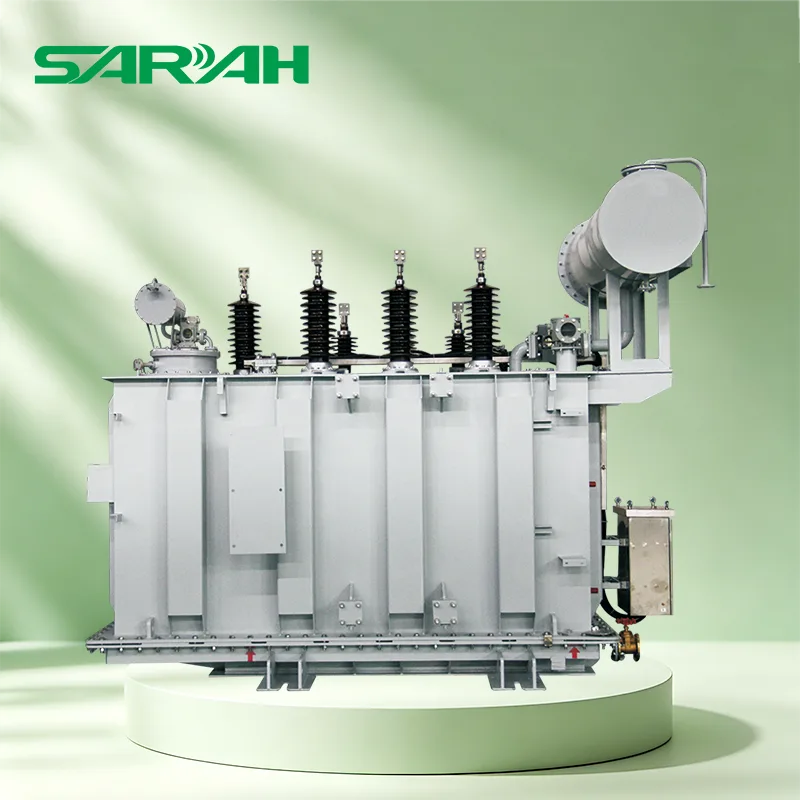
Table of Contents
- Understanding the Role of a 145KV Power Transformer
- How Does a 145KV Power Transformer Work?
- What Are the Main Components?
- Why Is Reliable 145KV Transformation Important?
- Where Are 145KV Power Transformers Used?
- What Should Buyers Consider Before Ordering?
- How Can Transformer Performance Be Improved?
- What Maintenance Does a 145KV Transformer Require?
- What Problems Can Affect Transformer Reliability?
- How Can a Reliable Transformer Supplier Support Your Project?
- Frequently Asked Questions
- Conclusion
1. Understanding the Role of a 145KV Power Transformer
Modern electricity networks depend on high-voltage transmission to move electrical energy over long distances with controlled losses. Within these networks, power transformers perform one of the most important functions: they change voltage levels so electricity can be transmitted, distributed, and ultimately consumed by electrical equipment.
A 145KV power transformer is designed for high-voltage applications where the equipment must provide dependable insulation, thermal performance, mechanical strength, and electrical stability. The 145KV designation is commonly associated with the maximum system voltage class of the transformer equipment rather than simply indicating that the transformer continuously operates at exactly 145 kV.
For substations, renewable-energy facilities, industrial plants, and utility networks, transformer reliability directly affects power availability. An inappropriate transformer specification can result in excessive losses, overheating, insulation stress, unexpected shutdowns, or costly maintenance.
Key takeaway: A 145KV transformer is not simply a voltage-conversion device. It is a complete high-voltage system whose insulation, cooling, protection, mechanical construction, and monitoring functions must work together.
2. How Does a 145KV Power Transformer Work?
The operating principle is based on electromagnetic induction. When alternating current flows through the primary winding, it produces a changing magnetic flux within the transformer's core. This changing magnetic field induces a voltage in the secondary winding.
The relationship between the primary and secondary voltages is determined largely by the turns ratio of the windings. By selecting an appropriate turns ratio, the transformer can increase or decrease voltage according to the requirements of the transmission or distribution system.
For example, electrical power generated at a lower voltage may be stepped up for transmission. At a receiving substation, another transformer can reduce the voltage to a level suitable for regional distribution or industrial consumption.
| Stage | Primary Function | Project Concern |
|---|---|---|
| Power generation | Produces electrical energy | Generator voltage |
| Voltage transformation | Raises or lowers voltage | Turns ratio and insulation |
| Transmission | Transfers power over distance | Losses and system stability |
| Distribution | Delivers usable voltage | Load requirements |
3. What Are the Main Components?
High-voltage transformer performance depends on the interaction of numerous components. Each part must be appropriately engineered for the electrical and environmental conditions of the installation.
- Magnetic core: Provides the path for magnetic flux and is designed to minimize core losses.
- Windings: Transfer electrical energy through electromagnetic induction and must withstand electrical, thermal, and mechanical stresses.
- Transformer tank: Protects the active components and contains insulating oil in oil-immersed designs.
- Insulation system: Separates energized components and supports reliable operation at high voltage.
- Cooling system: Removes heat generated by winding and core losses.
- Bushings: Provide insulated connections between internal windings and external conductors.
- Tap changer: Allows voltage adjustment within the designed operating range.
- Protection devices: Help detect abnormal conditions such as pressure changes, temperature rise, or internal faults.
- Monitoring equipment: Provides information about temperature, oil condition, load, and other operating parameters.
The exact configuration depends on rated capacity, voltage ratio, cooling method, insulation requirements, installation environment, and applicable technical standards.
4. Why Is Reliable 145KV Transformation Important?
High-voltage substations often serve as strategic points in an electrical network. Transformer failure can therefore affect not only one piece of equipment but potentially an entire industrial process, generation facility, or regional power supply.
Reliability starts with correct electrical design. However, electrical design alone is not enough. Thermal management, insulation coordination, mechanical construction, manufacturing quality, transportation, commissioning, and maintenance all influence service life.
Lower Energy Losses
Efficient transformer design helps reduce unnecessary electrical losses during continuous operation.
Stable Voltage
Appropriate voltage regulation supports consistent operation of connected electrical systems.
Operational Safety
Insulation and protection systems help manage high-voltage operating risks.
Long Service Life
Good thermal and insulation management can help extend equipment reliability.
5. Where Are 145KV Power Transformers Used?
145KV-class transformers can be found in a wide range of power infrastructure projects. Their application depends on the network voltage, power capacity, transformer configuration, and project specifications.
- Electrical transmission and receiving substations
- Utility-scale power networks
- Renewable-energy collection and grid-connection systems
- Large industrial manufacturing facilities
- Mining and heavy-processing plants
- Power generation facilities
- Regional electricity distribution infrastructure
- Infrastructure projects requiring high-voltage interconnection
Renewable-energy projects can be particularly demanding because transformer loading may vary significantly according to generation conditions. Proper capacity planning and thermal design are therefore essential.
6. What Should Buyers Consider Before Ordering?
Purchasing a 145KV power transformer should begin with the electrical system rather than the product catalog. A transformer that appears suitable based only on voltage may not satisfy the project's actual load, environmental, protection, or installation requirements.
| Specification | Why It Matters |
|---|---|
| Rated power | Determines the transformer's load-handling capability. |
| Voltage ratio | Must match the transmission and receiving system. |
| Frequency | Must correspond to the local power network. |
| Cooling method | Influences thermal performance and allowable loading. |
| Insulation level | Supports insulation coordination and high-voltage reliability. |
| Tap-changing requirements | Important where voltage regulation is required. |
| Ambient conditions | Temperature, altitude, humidity, and pollution can affect design. |
| Applicable standards | Ensures the equipment meets project and regulatory requirements. |
Buyers should also evaluate factory manufacturing capability, testing procedures, documentation, delivery experience, after-sales support, spare-parts availability, and the supplier's ability to provide customized configurations.
7. How Can Transformer Performance Be Improved?
Long-term performance depends on keeping electrical, thermal, and mechanical stresses within their intended operating limits. Several practical measures can help.
- Optimize transformer capacity: Avoid persistent operation close to the maximum rated load unless the design specifically permits it.
- Manage operating temperature: Effective cooling helps control winding and oil temperatures.
- Monitor insulation condition: Insulation degradation can become a major reliability concern in high-voltage equipment.
- Control moisture: Moisture can adversely affect insulation performance and should be carefully managed.
- Use appropriate protection: Protective relays and monitoring devices should be coordinated with the overall substation system.
- Maintain accurate records: Operating trends can help identify gradual deterioration before it becomes a serious failure.
8. What Maintenance Does a 145KV Transformer Require?
Maintenance requirements depend on transformer design, operating conditions, manufacturer recommendations, and applicable regulations. A structured maintenance program should combine routine inspection with condition-based testing where appropriate.
- Visual inspection of the tank, bushings, connections, and accessories
- Inspection for oil leakage or abnormal pressure conditions
- Temperature and load monitoring
- Insulating-oil testing where applicable
- Electrical diagnostic testing according to the maintenance program
- Inspection of cooling equipment
- Inspection and functional checks of protection devices
- Tap-changer inspection and maintenance when applicable
- Review of historical operating and test data
One of the biggest mistakes is treating maintenance as an emergency activity only. Periodic condition assessment allows operators to identify abnormal trends before they develop into major equipment failures.
9. What Problems Can Affect Transformer Reliability?
High-voltage transformers operate under significant electrical and thermal stresses. Common reliability concerns include insulation deterioration, overheating, excessive loading, oil leakage, cooling-system problems, mechanical damage, and abnormal operating conditions.
| Potential Problem | Possible Consequence | Preventive Approach |
|---|---|---|
| Overheating | Accelerated insulation aging | Load and cooling management |
| Moisture ingress | Reduced insulation strength | Sealing and condition monitoring |
| Oil leakage | Insulation and environmental concerns | Routine inspection |
| Excessive loading | Higher temperature and losses | Correct capacity planning |
10. How Can a Reliable Transformer Supplier Support Your Project?
Selecting a transformer supplier is a technical decision as much as a commercial one. A capable manufacturer should be able to understand the complete application instead of offering a generic product based only on the requested voltage.
Yueqing Sarah Electric Co., Ltd. can be considered as a supplier partner for projects requiring power transformer solutions and related electrical equipment. When evaluating a manufacturer, customers should pay attention to engineering communication, product configuration, manufacturing processes, testing capability, technical documentation, delivery coordination, and after-sales service.
A practical supplier checklist:
- Can the supplier provide a configuration based on your actual system requirements?
- Can the supplier provide complete technical documentation?
- Are factory testing and inspection procedures clearly defined?
- Can the supplier support project-specific accessories and protection requirements?
- Can the supplier provide reliable communication throughout manufacturing and delivery?
- Is technical support available after installation?
These questions can reduce procurement risk and help ensure that the selected transformer is compatible with the actual operating environment rather than simply matching a voltage number on a quotation.
11. Frequently Asked Questions
What does 145KV mean on a power transformer?
145KV generally refers to the voltage class associated with the transformer equipment. The exact rated operating voltages and insulation levels depend on the transformer's technical design and the requirements of the electrical system.
Can a 145KV transformer be customized?
Yes. Transformer configurations can be designed around project-specific requirements such as rated capacity, voltage ratio, frequency, cooling arrangement, tap-changing requirements, insulation levels, environmental conditions, and accessory configuration.
Why is cooling important for a high-voltage transformer?
Electrical losses generate heat during transformer operation. If heat is not effectively removed, temperatures can rise and accelerate insulation aging. An appropriate cooling arrangement helps maintain operating temperatures within the intended range.
What information should be provided when requesting a quotation?
Customers should ideally provide the required power rating, primary and secondary voltages, frequency, phase configuration, installation environment, required tap range, cooling requirements, applicable standards, and any project-specific technical specifications.
How can transformer service life be extended?
Appropriate loading, effective cooling, good insulation condition, moisture control, regular inspection, timely maintenance, and continuous monitoring can all contribute to reliable long-term operation.
Is transformer capacity the only important selection factor?
No. Voltage ratio, insulation coordination, cooling, impedance, environmental conditions, protection requirements, tap-changing functions, installation constraints, applicable standards, and long-term service requirements should also be considered.
12. Conclusion
A 145KV power transformer plays an essential role in high-voltage electrical infrastructure by enabling efficient voltage transformation and reliable power transmission. Its performance depends on much more than the nominal voltage class. Core design, winding construction, insulation, cooling, protection, monitoring, installation, and maintenance all contribute to dependable operation.
For buyers and project engineers, the most effective approach is to define the complete electrical and environmental requirements before selecting equipment. A detailed technical specification can reduce compatibility problems, improve procurement accuracy, and support better long-term operating performance.
If you are planning a high-voltage substation, industrial power system, grid connection, or other electrical infrastructure project, working directly with an experienced manufacturer can make the specification and procurement process more efficient.
Need a 145KV Power Transformer Solution?
Looking for a transformer configuration tailored to your project's voltage, capacity, cooling, insulation, and operating requirements? Contact Yueqing Sarah Electric Co., Ltd. to discuss your application, technical specifications, and project requirements.
Contact us for professional transformer solutions and technical support.
Related News
- How Does a 24KV Solid Insulated Ring Main Unit Improve Power Distribution Safety and Reliability?
- What Is a 36KV Dry Type Transformer and How Can It Improve Power Distribution Safety?
- What Is a 33kV Pole Mounted Transformer and How Does It Support Reliable Power Distribution?
- How Can a 20KV Power Transformer Deliver Reliable and Efficient Industrial Power?
- How Does a 110KV Power Transformer 20000KVA Improve High-Voltage Power Transmission Efficiency?
- How Does a 33KV Oil Immersed Distribution Transformer Support Reliable Power Distribution?
Leave me a message




News Recommendations