A 24KV Solid Insulated Ring Main Unit is designed for medium-voltage power distribution systems that require reliable switching, electrical insulation, and fault isolation. By using solid insulating materials around key electrical components, it can reduce dependence on conventional gas insulation and support compact equipment configurations. This article explains its operating principles, major components, advantages, applications, selection criteria, installation considerations, and maintenance requirements. It also outlines how engineering specifications and manufacturer capabilities influence long-term equipment performance.

1. What Is a 24KV Solid Insulated Ring Main Unit?
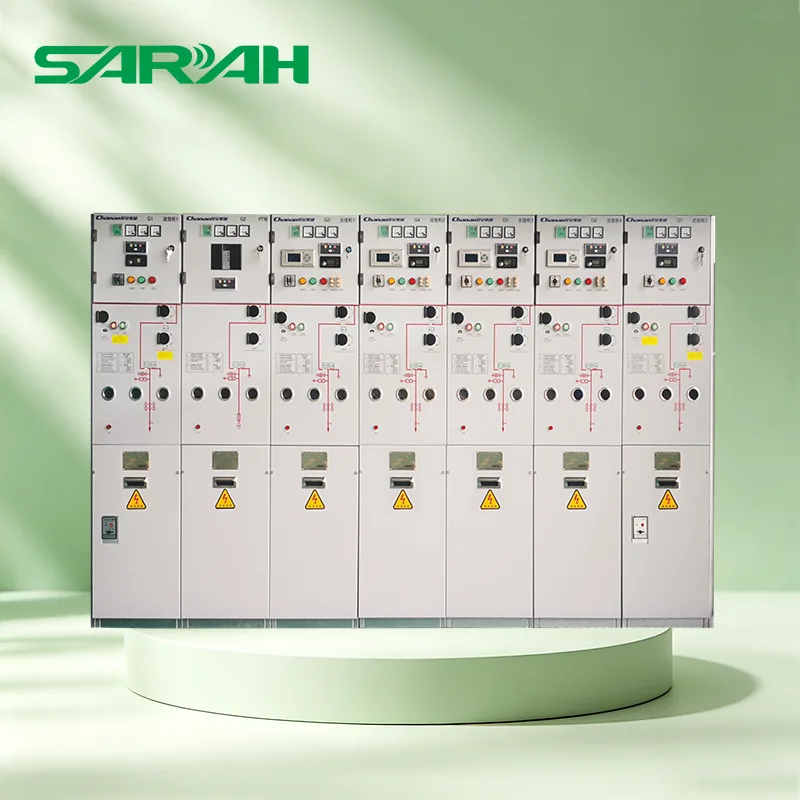
A 24KV Solid Insulated Ring Main Unit is a medium-voltage electrical distribution assembly designed to control, connect, protect, and isolate electrical circuits in power distribution networks. It generally integrates switching devices, busbars, insulation structures, and other functional components into a compact enclosure.
The term "24KV" refers to the equipment voltage class. It is commonly associated with electrical networks operating at a nominal voltage of 20kV, although the appropriate equipment rating must always be determined according to the actual system voltage and applicable standards.
Unlike traditional air-insulated or gas-insulated arrangements, a solid insulated RMU uses solid dielectric materials to provide electrical insulation around critical conductive components. Common insulating materials may include epoxy resin and other engineered insulating compounds, depending on the manufacturer's design.
Understanding the Ring Main Distribution Concept
A ring main distribution network connects multiple substations or distribution points through a loop-shaped electrical arrangement. This structure provides alternative power supply paths and improves operational flexibility.
When a fault occurs on a particular section, switching devices can isolate the affected circuit while allowing other sections of the network to continue receiving electricity through an alternative route, provided the network configuration and protection coordination support this operation.
2. How Does a Solid Insulated RMU Work?
The operating principle of a solid insulated RMU involves electrical connection, switching, insulation, and fault isolation. Its primary purpose is to control the flow of medium-voltage electricity while maintaining the required electrical clearances and dielectric performance.
Step 1: Receiving Medium-Voltage Power
Incoming power enters the RMU through designated cable connection terminals. These terminals connect the unit to the upstream distribution network and transfer electrical energy to the internal busbar system.
Step 2: Distributing Electrical Power
The internal busbars distribute power between incoming and outgoing circuits. Depending on the configuration, the RMU may include multiple functional modules for incoming lines, outgoing feeders, and transformer protection.
Step 3: Controlling Circuit Operation
Switching devices allow operators to connect or disconnect electrical circuits under specified operating conditions. Load switches, circuit breakers, and disconnecting or earthing arrangements perform different functions depending on the equipment design.
Step 4: Isolating Faulty Sections
When abnormal electrical conditions occur, the relevant protection and switching devices help isolate the affected circuit. This prevents a localized fault from unnecessarily affecting the entire distribution network.
Step 5: Maintaining Electrical Insulation
Solid insulating materials separate energized conductors from grounded structures and other conductive components. Their dielectric properties help prevent electrical breakdown under specified operating conditions.
3. What Are the Main Components of a 24KV RMU?
Understanding the main components helps project engineers and purchasing teams evaluate equipment specifications more effectively. Although internal configurations differ between manufacturers, a typical solid insulated RMU may include the following components.
| Component | Primary Function | Buyer Consideration |
|---|---|---|
| Solid Insulation System | Provides dielectric insulation for energized components. | Material quality, insulation performance, and long-term reliability. |
| Vacuum Circuit Breaker | Interrupts fault currents and switches electrical circuits. | Rated breaking capacity and mechanical endurance. |
| Load Break Switch | Controls normal load current within its specified ratings. | Switching capacity and operational configuration. |
| Busbar System | Transfers electrical power between functional units. | Rated current and temperature-rise performance. |
| Earthing Switch | Connects designated isolated circuit sections to earth. | Rated short-time withstand current and interlocking design. |
| Operating Mechanism | Controls switching operations. | Mechanical reliability and operating life. |
| Protection and Control Devices | Monitor electrical conditions and initiate protective actions. | Relay functions, compatibility, and communication options. |
| Cable Connection System | Connects incoming and outgoing medium-voltage cables. | Cable compatibility and termination requirements. |
Why Component Compatibility Matters
Individual component quality is important, but overall system performance depends on how these components work together. Inconsistent insulation interfaces, unsuitable switching devices, or poorly coordinated protection systems can compromise the reliability of the entire assembly.
Buyers should therefore evaluate the complete RMU configuration rather than focusing exclusively on one component or a single advertised specification.
4. Why Is Solid Insulation Important for Medium-Voltage Distribution?
Insulation is one of the most important factors in medium-voltage electrical equipment. Conductors carry electrical energy at potentially dangerous voltage levels, making effective insulation essential for preventing unintended current paths, electrical discharge, and equipment failure.
Consistent Dielectric Protection
Solid dielectric materials provide physical insulation around selected energized components. When properly designed and manufactured, they help maintain electrical isolation and withstand the electric field generated during normal operation.
Reduced Dependence on Insulating Gas
Solid insulated RMUs can reduce or eliminate the need for conventional insulating gas in the primary insulation system, depending on the design. This may help simplify certain environmental management and gas-handling requirements.
Compact Equipment Configuration
By integrating insulation directly around electrical components, manufacturers can develop compact equipment arrangements. This is particularly useful in substations, commercial buildings, and industrial sites where installation space is limited.
Environmental Adaptability
Solid insulation can provide an effective barrier against external environmental influences when the enclosure, cable interfaces, and sealing structures are properly designed. However, overall environmental protection still depends on enclosure construction, protection ratings, operating conditions, and installation quality.
5. What Are the Key Advantages of a 24KV Solid Insulated RMU?
For electrical contractors, utility operators, and industrial project owners, selecting the right RMU involves balancing safety, operational performance, installation requirements, and lifecycle costs.
5.1 Improved Electrical Safety
Solid insulation helps maintain separation between energized conductors and grounded components. Combined with appropriate interlocking mechanisms, earthing arrangements, and protective devices, it contributes to a safer electrical distribution environment.
5.2 Space-Saving Design
Compact construction is beneficial for projects with restricted substation space. A smaller installation footprint can make equipment layout and electrical room planning more flexible.
5.3 Reduced Routine Insulation-System Maintenance
Compared with certain gas-insulated designs, solid insulated equipment may avoid routine insulating-gas pressure monitoring and gas replenishment associated with those systems. Nevertheless, mechanical components, cable connections, protection devices, and operating mechanisms still require inspection and maintenance.
5.4 Reliable Switching Performance
Appropriately rated switching devices enable the RMU to perform its intended circuit-control and protection functions. Vacuum circuit breakers, where included, offer effective interruption of electrical currents through vacuum arc-extinguishing technology.
5.5 Flexible System Integration
Different functional configurations allow solid insulated RMUs to support a range of distribution arrangements. Depending on the manufacturer's product range, buyers may specify incoming feeders, outgoing feeders, transformer protection, metering, and additional control functions.
5.6 Potential Lifecycle Cost Benefits
Although the initial purchase price is important, total ownership cost should also include installation, inspection, maintenance, spare parts, downtime risk, and equipment replacement. A well-matched RMU can help reduce unnecessary operating expenses over its service life.
6. Where Are 24KV Solid Insulated Ring Main Units Used?
24KV solid insulated RMUs are suitable for various medium-voltage distribution applications. Their compact configuration and switching capabilities make them relevant to projects that require dependable electrical distribution and flexible network management.
Industrial Manufacturing Facilities
Factories depend on stable electricity to operate production lines, automated equipment, motors, and auxiliary systems. RMUs can support internal medium-voltage distribution and help isolate individual circuits during maintenance or electrical faults.
Commercial Buildings and Complexes
Shopping centers, office buildings, hotels, and large commercial developments require reliable power distribution for lighting, HVAC systems, elevators, and other essential electrical loads.
Urban Distribution Networks
Urban substations often operate under space constraints. Compact RMU designs can help distribution operators arrange switching and feeder connections within limited installation areas.
Renewable Energy Projects
Solar farms and other renewable energy installations require electrical equipment to connect generation facilities with medium-voltage collection and distribution systems. RMUs can form part of the switching and protection arrangement, subject to project-specific electrical design.
Infrastructure and Public Facilities
Hospitals, transportation facilities, water treatment plants, and other infrastructure projects require carefully planned electrical distribution systems. Appropriate RMU configurations can support feeder management and equipment isolation.
| Application | Typical Requirement | Relevant RMU Feature |
|---|---|---|
| Industrial Plants | Reliable power for production equipment | Switching and feeder protection |
| Commercial Buildings | Compact electrical room installation | Space-efficient configuration |
| Urban Substations | Flexible distribution connections | Multiple functional modules |
| Solar Power Stations | Medium-voltage collection and distribution | Network switching and isolation |
| Public Infrastructure | Operational safety and maintainability | Protection and control integration |
7. How Should Buyers Select the Right 24KV RMU?
Selecting a 24KV Solid Insulated Ring Main Unit requires more than confirming the voltage rating. Project requirements, electrical system characteristics, operating environments, and applicable technical standards must all be considered.
7.1 Confirm the Electrical Ratings
Start by reviewing the electrical characteristics of the distribution network. Important parameters include:
- Rated voltage and highest voltage for equipment.
- Rated frequency, such as 50Hz or 60Hz.
- Rated normal current.
- Rated short-time withstand current.
- Rated peak withstand current.
- Rated short-circuit breaking current, where applicable.
- Power-frequency withstand voltage and lightning impulse withstand voltage.
These parameters should be selected according to the system design, fault-level calculations, and relevant standards rather than relying on voltage classification alone.
7.2 Evaluate the Functional Configuration
Different projects require different switching arrangements. Common configurations include:
- Incoming and outgoing cable feeder units.
- Load switch configurations.
- Vacuum circuit breaker configurations.
- Transformer protection modules.
- Metering and monitoring modules.
Before requesting a quotation, prepare a single-line diagram showing the intended network arrangement. This helps manufacturers recommend a suitable combination of functional units.
7.3 Check Insulation and Enclosure Performance
Review the insulating materials, manufacturing processes, enclosure protection rating, and electrical test documentation. These factors influence the equipment's ability to operate reliably under specified environmental conditions.
7.4 Consider Installation Conditions
Installation conditions may include ambient temperature, altitude, humidity, dust exposure, indoor or outdoor placement, and available installation space. Special environmental conditions may require customized design solutions.
7.5 Verify Standards and Test Reports
Buyers should confirm compliance with the standards specified for their project. Relevant international standards may include IEC 62271-1 and IEC 62271-200, together with applicable requirements for switching devices and the overall assembly.
Request applicable type-test reports, routine-test documentation, and technical certificates. The exact standards and editions should be verified against the project's contractual and regulatory requirements.
7.6 Evaluate Manufacturer Capabilities
A qualified manufacturer should be able to provide technical drawings, electrical specifications, configuration recommendations, production quality control, testing records, and after-sales support.
- Confirm rated voltage and current requirements.
- Provide the project single-line diagram.
- Define the number and type of functional units.
- Confirm short-circuit withstand and breaking requirements.
- Check installation dimensions and environmental conditions.
- Request relevant test reports and compliance documents.
- Evaluate delivery schedules, spare parts, and technical support.
8. What Installation and Maintenance Factors Matter?
Even high-quality medium-voltage equipment requires correct installation and ongoing inspection. Poor installation practices, unsuitable cable terminations, or inadequate operating procedures can reduce reliability and create serious safety risks.
Installation Considerations
Before installing a 24KV solid insulated RMU, project teams should review the manufacturer's installation instructions and verify the following conditions:
- Foundation and mounting: Ensure the installation surface is level, stable, and capable of supporting the equipment.
- Electrical clearances: Follow specified distances and cable connection requirements.
- Cable termination: Use compatible cable accessories and follow approved termination procedures.
- Grounding: Connect the equipment grounding system according to the approved electrical design.
- Interlocking: Verify that mechanical and electrical interlocks operate correctly.
- Commissioning: Complete the required inspections and electrical tests before energization.
Routine Maintenance Practices
Solid insulation may reduce certain insulation-system maintenance activities, but it does not make the entire RMU maintenance-free.
| Inspection Item | What to Check | Purpose |
|---|---|---|
| External Enclosure | Physical damage, corrosion, and contamination | Maintain mechanical and environmental protection |
| Cable Connections | Connection condition and signs of overheating | Reduce connection-related failure risks |
| Switching Mechanism | Operating condition and mechanical function | Maintain reliable switching performance |
| Protection System | Relay settings and functional operation | Maintain appropriate fault protection |
| Grounding System | Grounding connections and continuity | Support electrical safety |
| Insulation Components | Visible damage and abnormal conditions | Identify potential insulation problems |
Maintenance intervals should follow the manufacturer's recommendations, applicable regulations, and actual operating conditions. All inspection and testing work involving medium-voltage equipment must be performed by qualified personnel under approved safety procedures.
9. Frequently Asked Questions
Q1: What does 24KV mean in a solid insulated RMU?
24KV indicates the equipment voltage class. It is commonly used in distribution systems with a nominal operating voltage of 20kV. The actual system voltage and equipment ratings must be confirmed before selection.
Q2: What is the main difference between solid insulated and gas insulated RMUs?
The primary difference is the insulation medium. Solid insulated RMUs use solid dielectric materials around key electrical components, while gas insulated RMUs use insulating gas within designated compartments. Their design, maintenance requirements, environmental considerations, and installation characteristics may differ.
Q3: Is a 24KV solid insulated RMU suitable for outdoor installation?
It depends on the product design and enclosure protection rating. Some models are designed for indoor applications, while specially engineered versions may support outdoor installation. Buyers should confirm environmental ratings and installation requirements with the manufacturer.
Q4: Does a solid insulated RMU require regular maintenance?
Yes. Although solid insulation can reduce certain gas-related maintenance requirements, switching mechanisms, protection devices, cable connections, grounding systems, and enclosure conditions still need periodic inspection.
Q5: What is the typical service life of a 24KV RMU?
Service life depends on the product design, component quality, operating frequency, environmental conditions, and maintenance practices. Buyers should request the manufacturer's declared service-life information and mechanical endurance specifications rather than assuming one universal lifespan.
Q6: Can a 24KV RMU be customized for different distribution projects?
Many manufacturers offer different functional unit combinations, switching arrangements, protection configurations, cable interfaces, and monitoring options. Customization depends on the manufacturer's technical capabilities and the project's requirements.
Q7: Which technical documents should buyers request?
Important documents include product datasheets, general arrangement drawings, single-line diagrams, wiring diagrams, applicable type-test reports, routine-test records, installation manuals, and relevant compliance certificates.
Q8: How can buyers determine whether an RMU manufacturer is reliable?
Evaluate the manufacturer's production experience, engineering capabilities, quality management procedures, testing facilities, product documentation, project references, delivery capacity, and after-sales service. Technical evidence is more useful than relying on promotional descriptions alone.
10. Choosing a Reliable RMU Manufacturing Partner
Selecting the right manufacturing partner is an important step in ensuring that a medium-voltage distribution project meets its technical and operational objectives. Beyond the product itself, buyers need a supplier that understands electrical system requirements and can provide appropriate engineering support throughout the purchasing process.
Yueqing Sarah Electric Co., Ltd. focuses on electrical power distribution equipment and solutions for different electrical application requirements. When evaluating a 24KV Solid Insulated Ring Main Unit, buyers should communicate their project specifications clearly so that the appropriate equipment configuration can be assessed.
What Should You Prepare Before Requesting a Quotation?
- Project location and application type.
- Nominal system voltage and frequency.
- Required rated current and short-circuit ratings.
- Single-line diagram and functional unit arrangement.
- Indoor or outdoor installation requirements.
- Required protection, monitoring, and communication functions.
- Applicable standards and documentation requirements.
- Expected delivery schedule and project quantity.
Providing these details helps the manufacturer understand the project more accurately, recommend an appropriate technical configuration, and prepare a more meaningful quotation.
Looking for a Reliable 24KV Solid Insulated Ring Main Unit?
Choosing the right medium-voltage distribution equipment is essential for improving electrical safety, maintaining reliable power supply, and controlling long-term operating costs.
Whether you are planning an industrial power distribution system, a commercial building project, or a utility network upgrade, Yueqing Sarah Electric Co., Ltd. can help you explore suitable electrical equipment solutions based on your project requirements.
Contact us today to discuss your technical specifications, request product information, and explore suitable 24KV Solid Insulated Ring Main Unit solutions for your next project.